Meet OpenFigma: AI-Generated Designs from Prompts
After losing their designer, SCAILE built OpenFigma - an open-source tool that generates UI designs from text prompts, no Figma license or design skills required.

When Your Designer Leaves, Build a Replacement
Every startup knows the pain of losing a key team member at the worst possible time. When SCAILE's designer accepted a full-time role elsewhere, co-founder Federico De Ponte faced a choice: hire a replacement, outsource the work, or build something entirely new. He chose the third option.
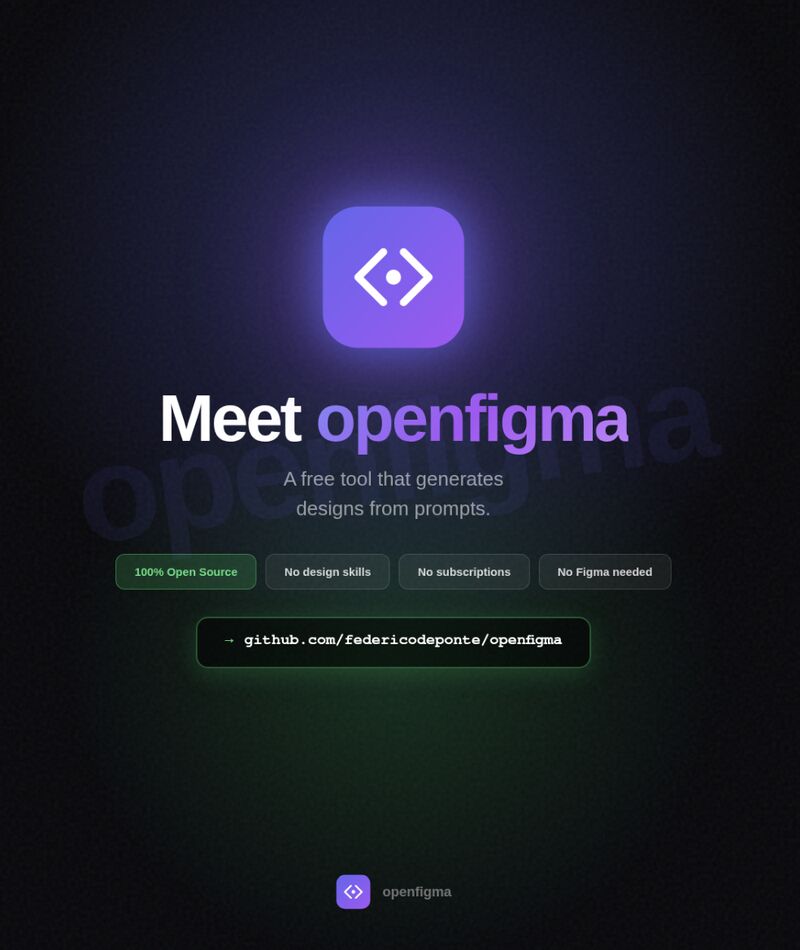
The result is OpenFigma, an open-source tool that generates UI designs directly from text prompts. No Figma license required. No design background needed. Just describe what you want, and the tool produces ready-to-use design assets.
How OpenFigma Works
OpenFigma takes natural language descriptions and translates them into visual design outputs. The tool leverages generative AI models trained on design patterns and UI conventions to produce layouts, component designs, and page mockups.
Key features include:
- Prompt-to-design generation for landing pages, dashboards, and app screens
- Component-level outputs that can be exported and integrated into development workflows
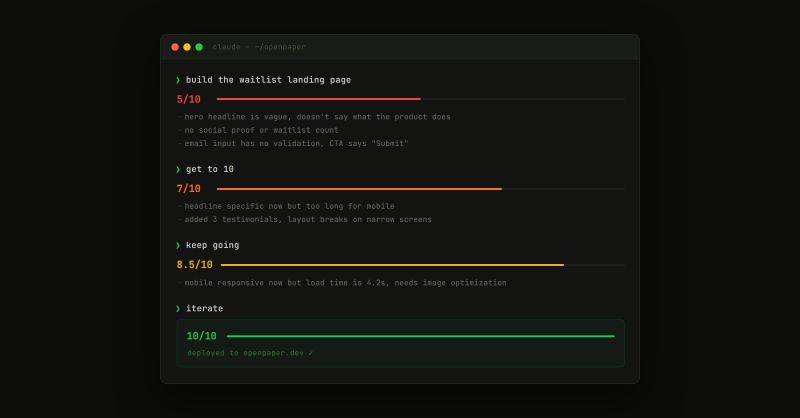
- Iterative refinement through follow-up prompts to adjust colors, spacing, and layout
- Zero dependencies on proprietary design software
Open Source from Day One
Staying true to SCAILE's commitment to open-source development, OpenFigma is fully available on GitHub. The entire codebase, model configurations, and documentation are public, allowing developers and designers to fork, extend, and contribute.
Federico has been clear about the tool's positioning: it is not meant to replace professional designers on complex projects. Instead, it fills the gap for startups and small teams that need to move fast without a dedicated design resource.
A Pattern of Building Through Constraints
OpenFigma joins a growing lineup of "Open" tools from SCAILE, each born from a real operational need. Rather than viewing the designer's departure as a setback, the team treated it as an opportunity to solve a problem that many early-stage companies face. The tool has already attracted attention from founders dealing with similar constraints.